





Meld

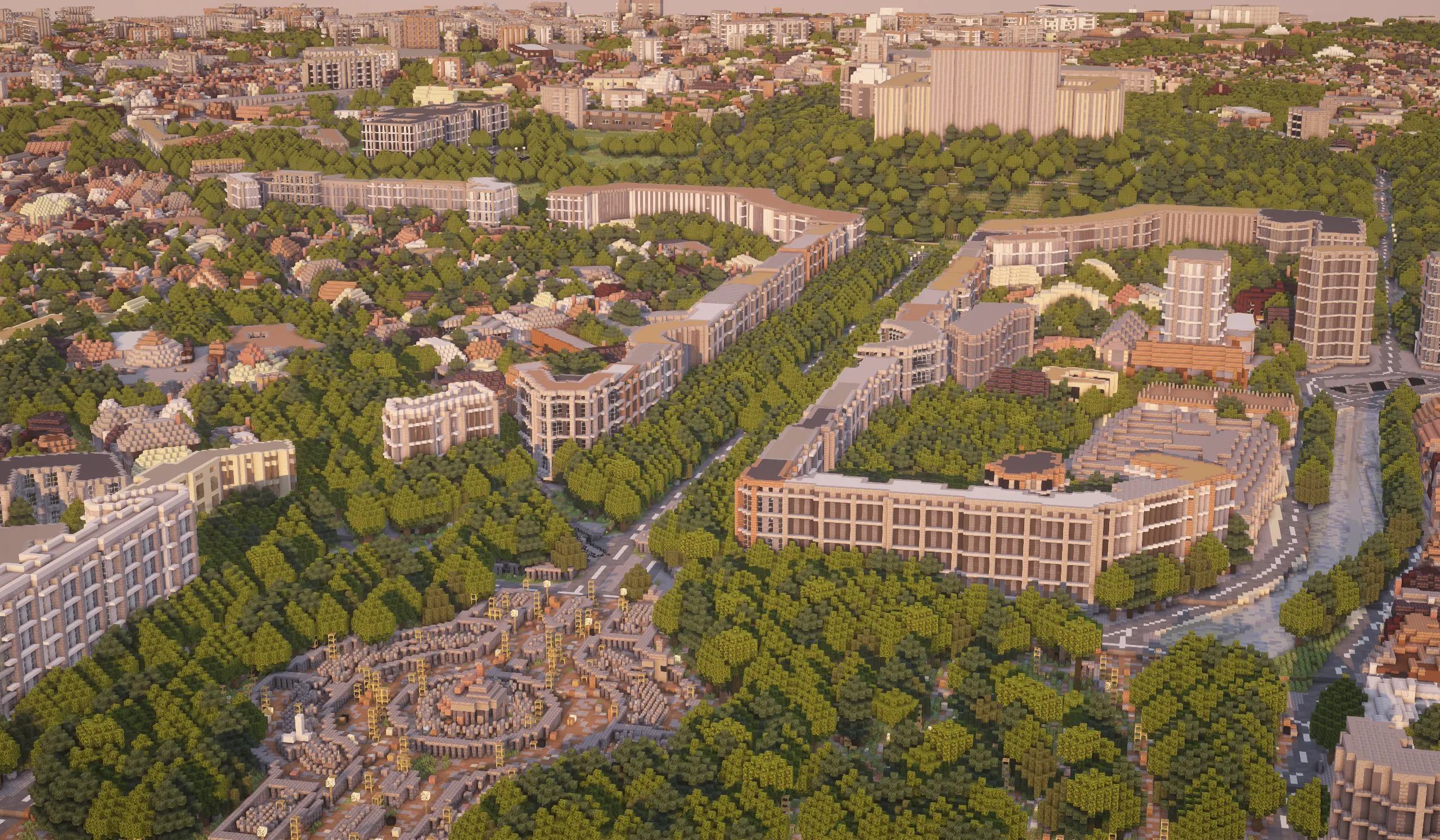
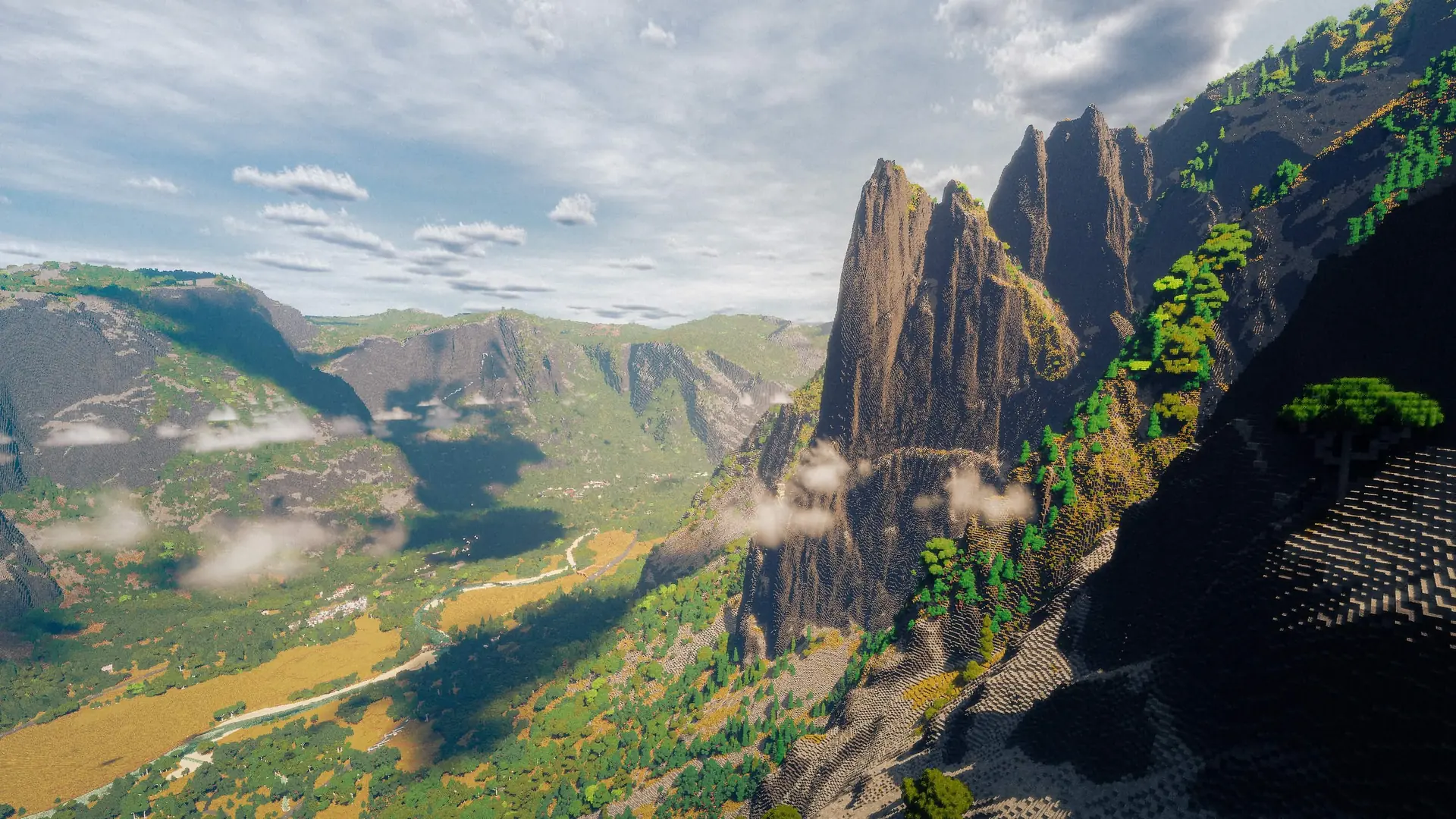
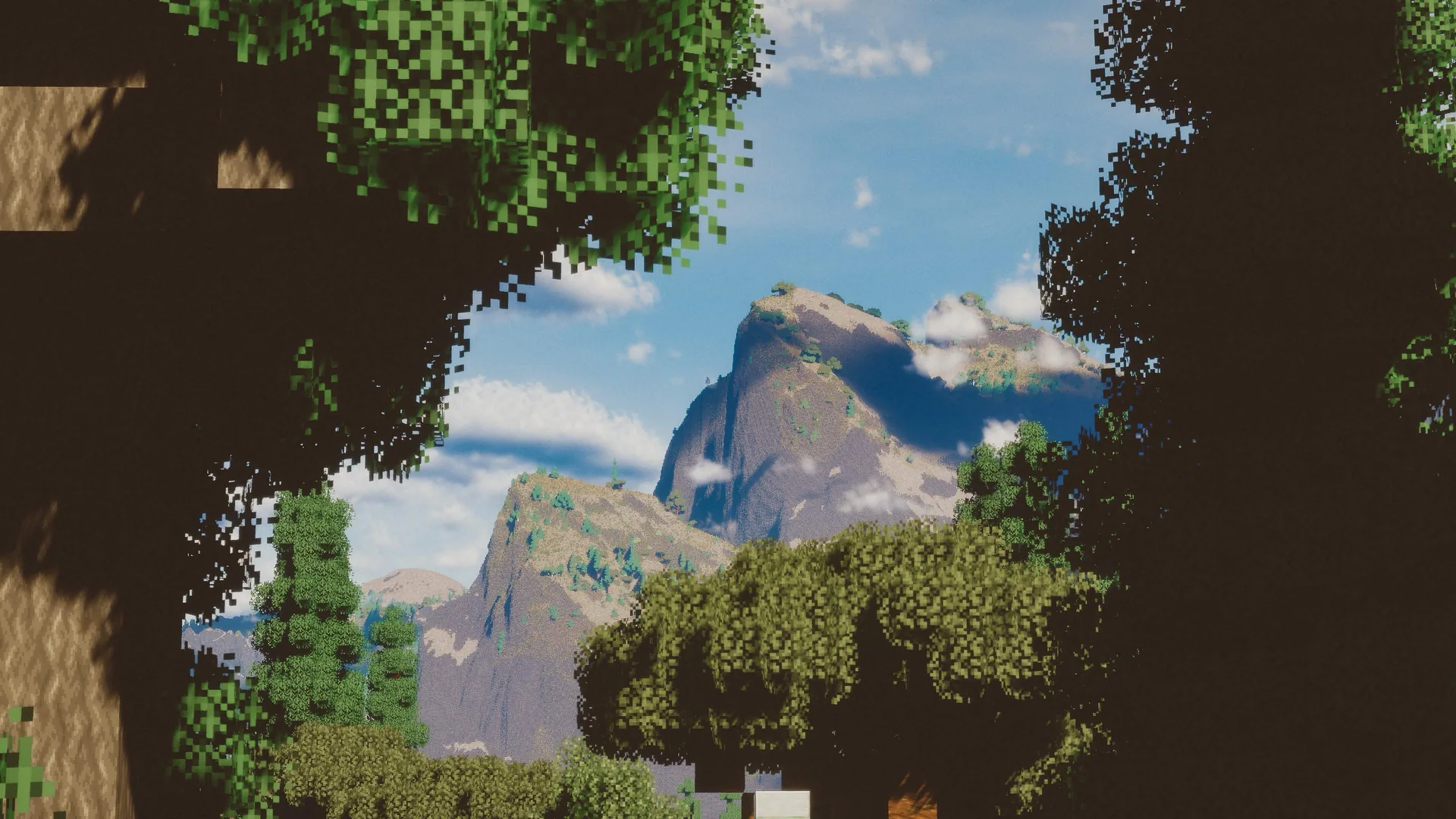
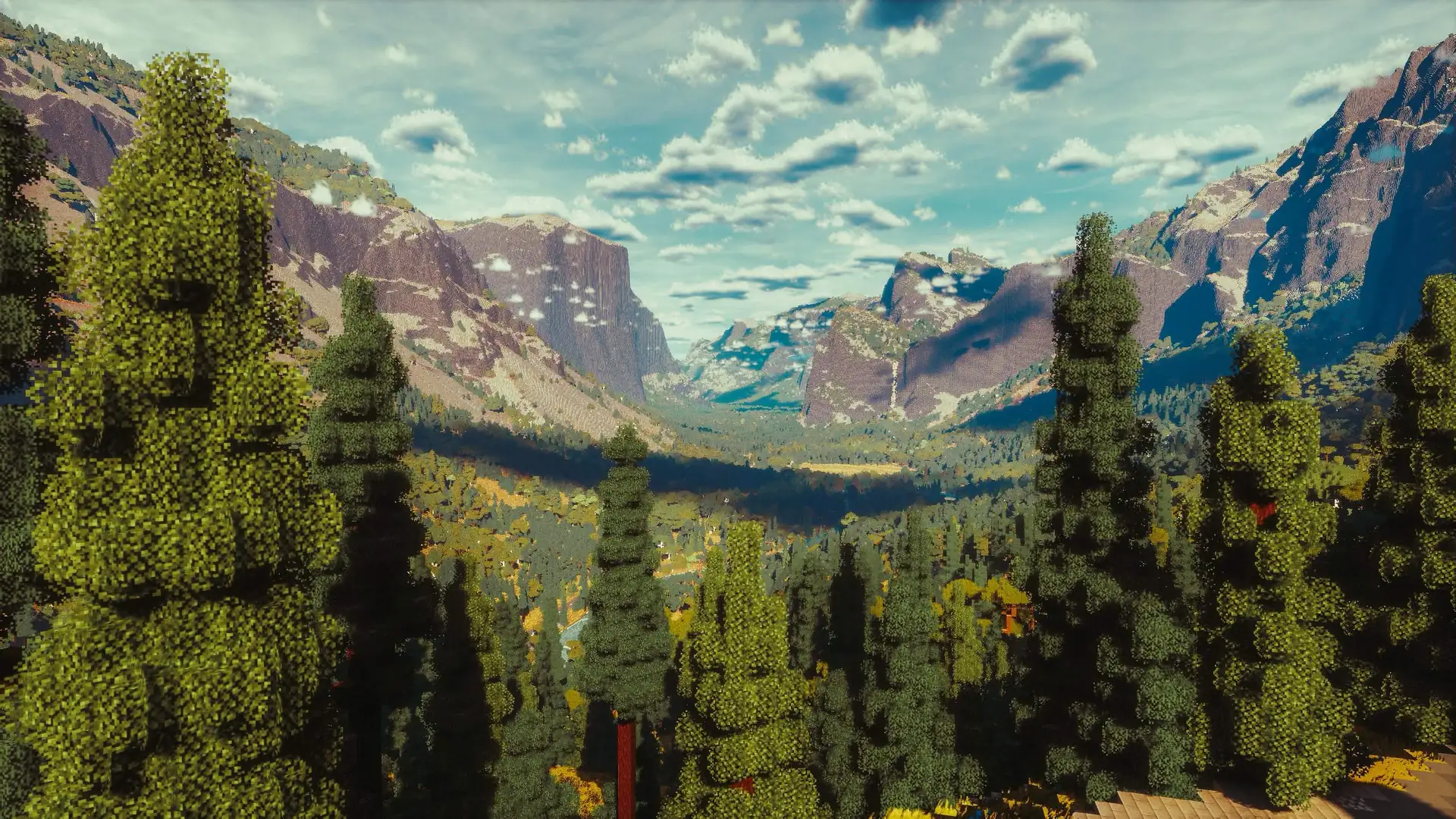
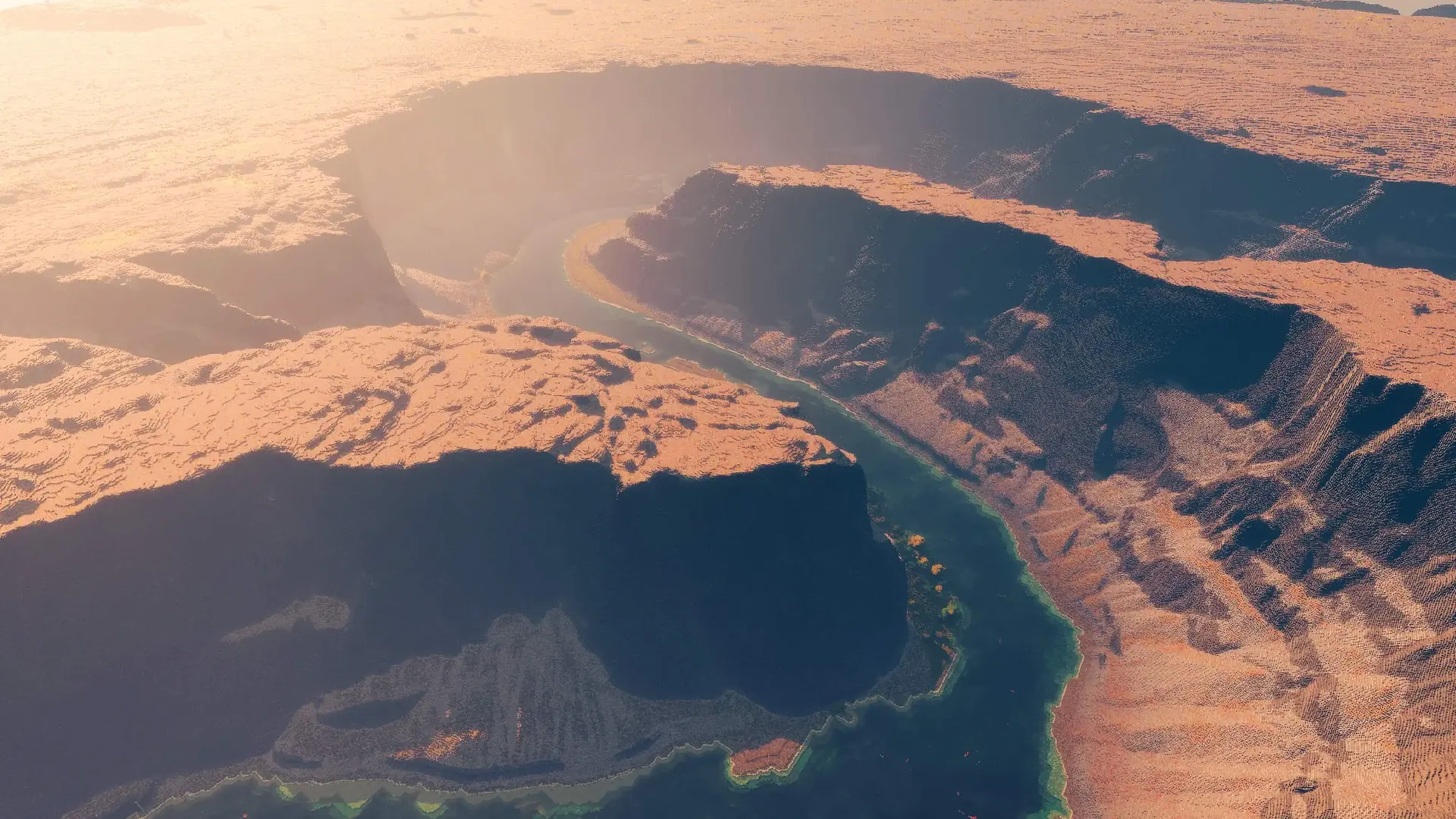
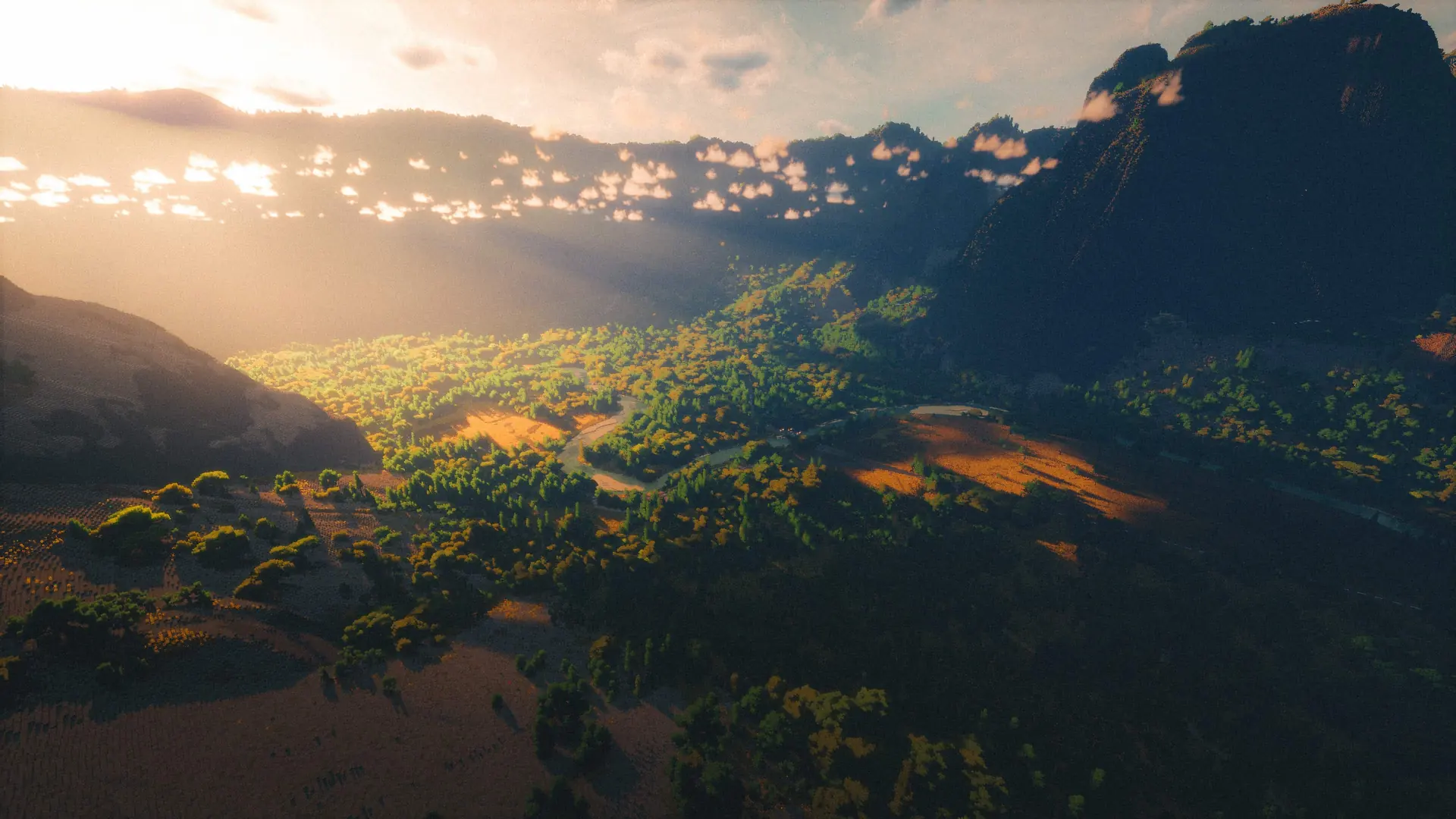
Generate the real world in Minecraft: any place, up to a whole country, to explore and survive with friends.

New here? Read the docs to see how it works.

The story

Built because one run was never enough

01

One country was too big for one generator

Arnis turns one map selection into one Minecraft world, one area at a time. A whole country in a single pass means days of compute and one giant, fragile write.

02

So Meld runs many

A grid of region-aligned cells, one arnis per cell, in parallel, all sharing one origin, one seed and one elevation lock, so every cell agrees on where the world is.

03

Then melds them into a single seamless world

Each finished cell’s region files merge into one master world. Seams fall on region boundaries, a drift guard refuses anything misaligned, and you walk it as one place.

Meld started with one goal: render all of Romania. Now it renders anywhere, as an app.
What Unbound means

Cut loose from the terminal

Everything that used to need a Python install, a cloned repo and a careful read of the docs is now the app’s own job.

Standalone app

No Python, no installer. Download a folder, run it, and Meld lives in the tray with a per-worker status bar. Windows, macOS and Linux.

Self-updating

Updates stage beside the running build and are verified against the release checksums; the old version is kept so you can go back. The arnis generator updates independently, so a generator fix never needs a new Meld.

Knows the cost before it starts

A bake prices RAM, disk and time against your machine (measured figures, not guesses) and refuses a job that will not fit, with the fix in the message.

Gets its own data

“Get the data for this region” reads your selection and picks the right Geofabrik country files for it, the smallest extracts that contain it. Continent-sized files are offered last and carry a RAM warning.

Presets

A world’s look as one shareable file: scale, terrain, trees, caves, props, textures. Machine-specific settings are stripped, so a desktop preset is safe on a laptop. Three tuned starters ship built in.

Fully offline generation

Bake OSM and elevation packs once, then generate with zero network. A cached-elevation-only mode guarantees no cell ever waits on a tile server, or gets truncated by one.

Numbers

Measured, not guessed

The same figures the app uses to price your bakes, read straight off real renders.

See it vs plain Arnis
Bake RAM
2.2 GB
Baked tile
15.7 MB
Parallel
3.4x
Tests
614

Real figures from real renders: bake cost per GB, tile size, the test count across app and fork, and the parallel speedup. How we measure →

Downloads

Pick your platform

Portable builds: no installer, nothing to uninstall. The app’s data lives beside the app, or in your user folder. Your projects are never touched by an update.

Windows

x64 · ≈ 72 MB

SmartScreen will warn once about an unsigned app: More info → Run anyway.

Download .zip

macOS Apple Silicon

arm64 · ≈ 83 MB

Gatekeeper: right-click the app → Open, or System Settings → Privacy & Security → Open Anyway.

Download .tar.gz

macOS Intel

x64 · ≈ 86 MB

Gatekeeper: right-click the app → Open, or System Settings → Privacy & Security → Open Anyway.

Download .tar.gz

Linux

x64 · ≈ 93 MB

Extract anywhere and run ./Meld. No WebKitGTK or other desktop libraries required. It works headless too.

Download .tar.gz

Prefer source? git clone still works exactly as before, see the quickstart. All builds and checksums live on GitHub Releases.

The generator

The Arnis fork

Meld drives a custom fork of the open-source Arnis generator by louis-e, kept up to date with upstream. The fork adds the command-line flags and rendering guarantees Meld needs to run many cells as one world.

Caves

Vanilla-style caverns, tunnels, underground rivers, ores, geodes and eight cave biomes, carved at generation time, deterministic across tiles.

Farmland texture

Road-aligned field parcels, per-field crop plots at real growth stages, wildflower meadows, and rock & bush scatter.

Tile-invariant rendering

A building straddling two tiles renders identically in both. The core fix that makes independent cells stitch into one world.

Road detail

Clean and compact modes de-noise stacked lane and crosswalk blocks at small scales, picked automatically per project scale.

Props & structures

Boats on water, cranes on construction sites, tractors on farmland, wind turbines, lighthouses, placed at the real map features.

Rail tunnels

Railways continue underground instead of dead-ending at the hillside, ported in from the upstream 3.x wave.

--overture toggle

Keep OSM’s real buildings and choose whether Overture’s satellite-detected fill joins them, without turning buildings off entirely.

Golden-hash gate

Every ported upstream change is regression-tested against golden world hashes before it lands, so a port can never silently change your renders.

Read what the fork changes, see how Meld runs Arnis at scale, or browse the fork releases →

Start here

Build a city. Or a whole country.

Download Meld, draw an area, and walk it in Minecraft.

Questions or worlds to show? The Arnis Discord is where builders hang out.